
The Search for Love After Marriage
The Five Love LanguagesThis central thread traces the book's movement from marital confusion toward a practical model of communicating love.
increasing Bearing strength in each event
 decreasing
Bearing strength in each eventdecreasingThe Plane Question

The Question in Seat 5A
A repeated failure
A three-times-divorced passenger asks Gary D. Chapman what happens to love after a wedding. He describes romances that began warmly and ended in estrangement.
The book's starting point
His question turns personal disappointment into the book's central inquiry. The story suggests that sincerity alone may not make love understandable to a partner.
The Unheard Message
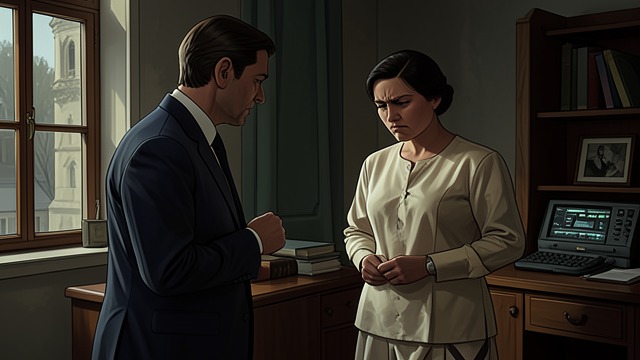
Love Without Translation
Sincere but ineffective
The passenger recalls praising his third wife and telling her that he loved and admired her. She nevertheless became critical, and he eventually felt resentment.
A language mismatch
Chapman interprets the failure as a communication problem: the husband spoke affirming words while his wife may have needed love shown through behavior. The distinction guides the book's proposed solution.
Five Emotional Languages
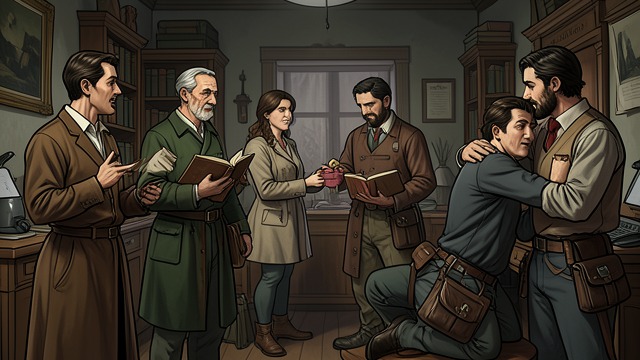
Five Ways to Communicate
A framework takes shape
Chapman proposes five broad ways people express and receive emotional love: affirming words, focused time, gifts, helpful service, and physical touch.
Dialects within languages
The categories do not prescribe identical gestures for everyone. A couple must identify both the broad language and the particular actions that make it meaningful.
Finding the Primary Language
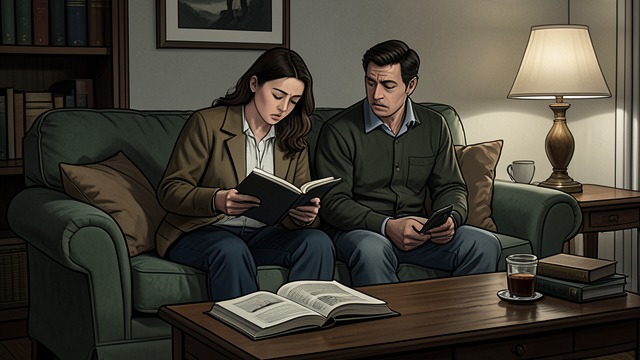
Learning What Reaches a Spouse
Clues in ordinary life
The book directs readers to notice what hurts most, what they repeatedly request, and how they naturally try to show affection.
Discovery as dialogue
A couple can compare their guesses and check them through conversation. The framework works best as attentive inquiry, not as a label imposed on another person.
Choice Becomes Practice
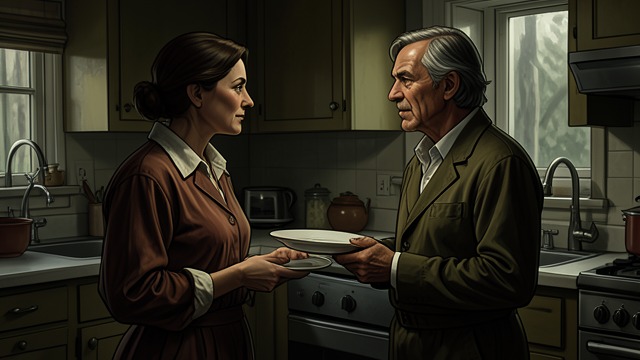
From Idea to Habit
Intentional action
Once a spouse's primary language becomes clearer, the book urges deliberate expressions of love even when they do not come naturally.
A changed climate
Repeated, responsive actions may make emotional conversation and problem-solving easier. The book presents this as a practical possibility, not as a guaranteed cure for every marriage.
During a flight between Buffalo and Dallas
Immediately after the passenger recounts his marriages
Early in the book's argument
In the chapter on discovering a primary love language
In the later chapters on choice and application
